By the Authority Solutions® Editorial Team | Published: April 2026 | Last Updated: April 2026
Monitoring Whether AI Search Engines Are Citing Your Brand
Traditional search visibility is measured through rank tracking - checking where your pages appear in Google's search results for target keywords. AI search visibility requires an entirely different monitoring approach because AI-generated responses do not rank pages - they synthesize information from multiple sources and cite the ones that contributed to the response. Your brand might be cited prominently, mentioned in passing, listed as a source link without text mention, or absent entirely. Each status carries different implications and requires different optimization responses.
This guide covers the monitoring methods, tools, and cadences needed to track your brand's presence across AI search platforms and translate monitoring data into actionable optimization decisions.
Manual Monitoring: The Foundation
Before investing in automated monitoring tools, establish a manual monitoring baseline. This involves querying your target topics across major AI platforms and documenting your brand's citation presence for each query.
Platform Coverage
Monitor across all major AI search platforms because citation patterns vary between them. Google AI Overviews draws from Google's search index and Knowledge Graph, favoring sources with strong traditional SEO profiles and structured data. Perplexity performs real-time web searches for each query, emphasizing recent content with specific, verifiable claims. ChatGPT with search uses Bing's index supplemented by training data, prioritizing comprehensive and authoritative content. Microsoft Copilot leverages the Bing index with Microsoft Graph integration. Each platform may cite different sources for the same query because they access different data sources and apply different selection criteria.
Query Selection
Select 15 to 25 target queries that represent the topics your brand wants to be cited for. These should include branded queries (your company name plus a topic), category queries (your service category without brand name), problem queries (the problems your customers are trying to solve), and comparison queries (your service category plus "best" or "top" or "compare"). Document which queries produce brand citations and which do not - the gaps identify where entity optimization or content optimization is needed.
Citation Classification
For each query where your brand appears, classify the citation type. Direct brand mention means your brand name appears in the response text with context about your expertise or services - this is the strongest citation type. Source link citation means your content is listed as a reference source but your brand name does not appear in the response body - useful for traffic but weaker for brand awareness. Indirect reference means the AI paraphrases your content without naming your brand - indicating your content is influencing responses but your entity profile is not strong enough for named citation.
Automated Monitoring Tools
Manual monitoring provides baseline data but does not scale. Several tools automate AI citation tracking across platforms.
AI Citation Monitoring Tool Comparison
| Tool | Platforms Tracked | Key Feature | Pricing |
|---|---|---|---|
| Otterly | ChatGPT, Perplexity, Google AI | Scheduled query monitoring with citation alerts | $39–$199/month |
| Peec AI | ChatGPT, Perplexity, Claude | Brand mention detection across AI responses | $49–$299/month |
| GEO Monitor | Google AI Overviews, Perplexity | Competitive citation comparison | $79–$349/month |
| Google Search Console | Google AI Overviews only | AI Overview impressions and clicks (free) | Free |
Google Search Console deserves special attention because it is free and provides first-party data for Google AI Overviews - the highest-traffic AI search channel. The Performance report includes an "AI Overviews" appearance filter that shows which of your pages appear in AI-generated responses, with impression and click data. This data is available now for any site registered in Search Console.
Building a Monitoring Dashboard
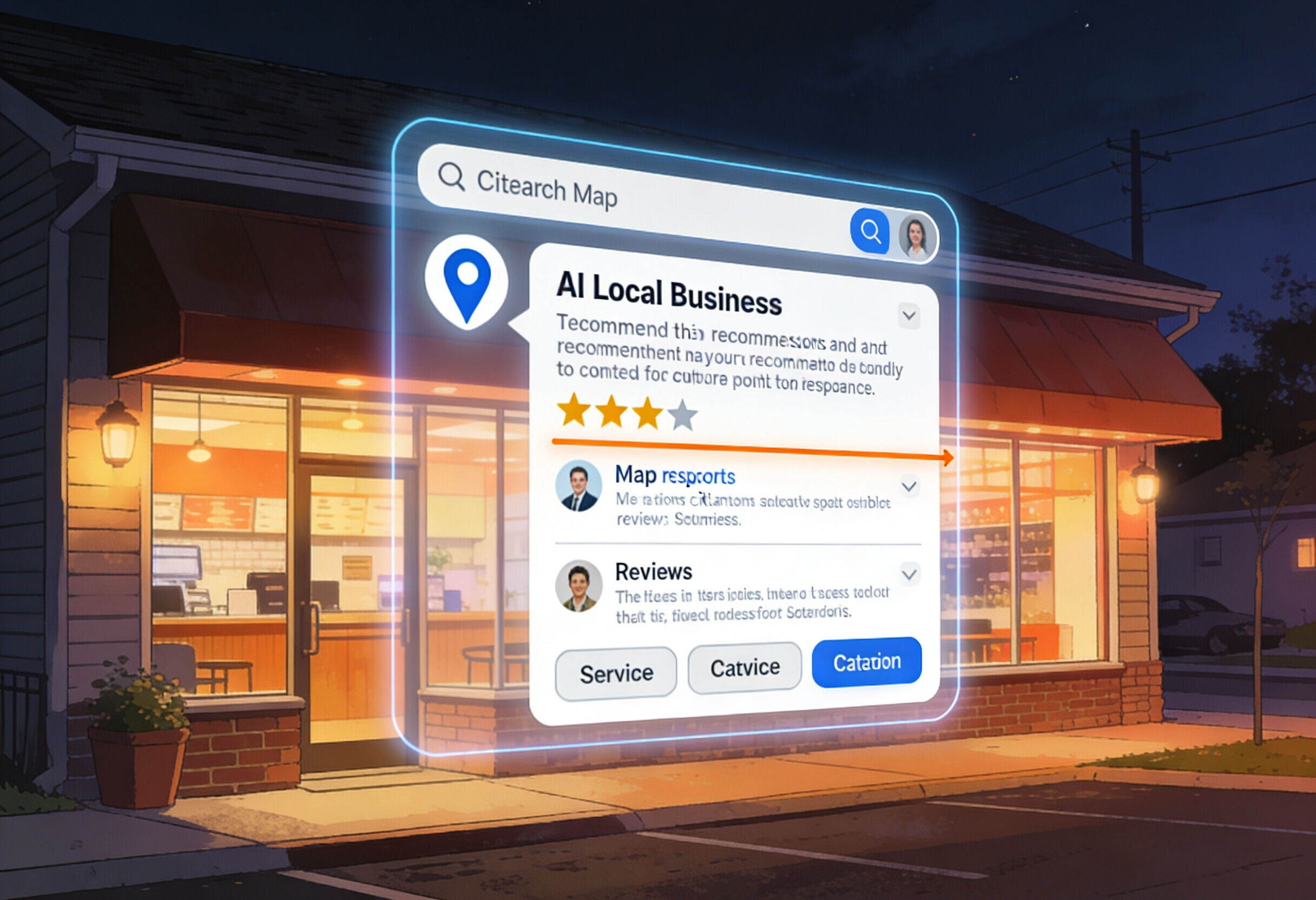
Consolidate monitoring data into a weekly dashboard that tracks three key indicators. Citation frequency measures how often your brand is cited across your target query set - tracked as a percentage (cited in X of Y target queries). Citation prominence classifies whether citations are direct brand mentions, source links, or indirect references - tracked as a distribution across the three types. Competitive share measures how your citation frequency compares to competitors for the same query set - tracked as your brand's share of total citations across all competitors monitored.
Review the dashboard weekly during the first 90 days of GEO optimization to establish trends. After stabilization, shift to bi-weekly or monthly review with alerts configured for significant changes (citation frequency dropping more than 20 percent from the trailing average, a competitor gaining citation presence on queries where your brand was previously dominant).
Interpreting Monitoring Data
Consistently Cited (60%+ of target queries)
Your entity profile and content are well-optimized for AI citation. Focus on maintaining freshness (updating content with current data), expanding the query set to adjacent topics, and monitoring competitor citation gains that might indicate they are optimizing against your position.
Inconsistently Cited (30–60% of target queries)
Your brand has partial AI visibility - strong enough to be cited for some topics but not established enough for comprehensive coverage. Analyze the queries where you are NOT cited: what sources are cited instead, and what entity or content signals do they have that you lack? Common gaps include missing structured data, lower content freshness, weaker third-party corroboration, or less specific claim-evidence formatting.
Rarely Cited (Under 30% of target queries)
Your entity profile needs foundational work. Prioritize Organization schema implementation, cross-platform consistency audit, and content restructuring with claim-evidence patterns. Entity optimization at this level typically requires 3 to 6 months of systematic work before citation frequency begins to improve meaningfully.
Frequently Asked Questions
How often do AI citation patterns change?
AI citation patterns are less stable than traditional search rankings. The same query submitted on different days may cite different sources because AI systems incorporate recency signals, response variation, and updated training data. Track citation frequency over weekly periods rather than individual query instances to smooth out this natural variation and identify genuine trends versus random fluctuation.
Can I see exactly which of my pages are being cited?
Google Search Console shows which specific pages appear in Google AI Overviews. For other platforms, automated monitoring tools track source URLs when they appear in citation lists. However, AI responses that mention your brand by name without linking to a specific page indicate entity-level recognition rather than page-level citation - meaning the AI system recognized your brand from its training data rather than from a specific crawled page.
Is it possible to lose AI citations I previously had?
Yes. Citation eligibility degrades when content becomes outdated (competitors publish fresher data on the same topic), when entity consistency breaks (a profile update on a directory creates a name or description inconsistency), when a competitor improves their entity profile and displaces your citations, or when the AI platform updates its source selection criteria. Ongoing monitoring detects these losses early enough to take corrective action before the impact compounds.
Content Formatting for AI Citation Patterns .